
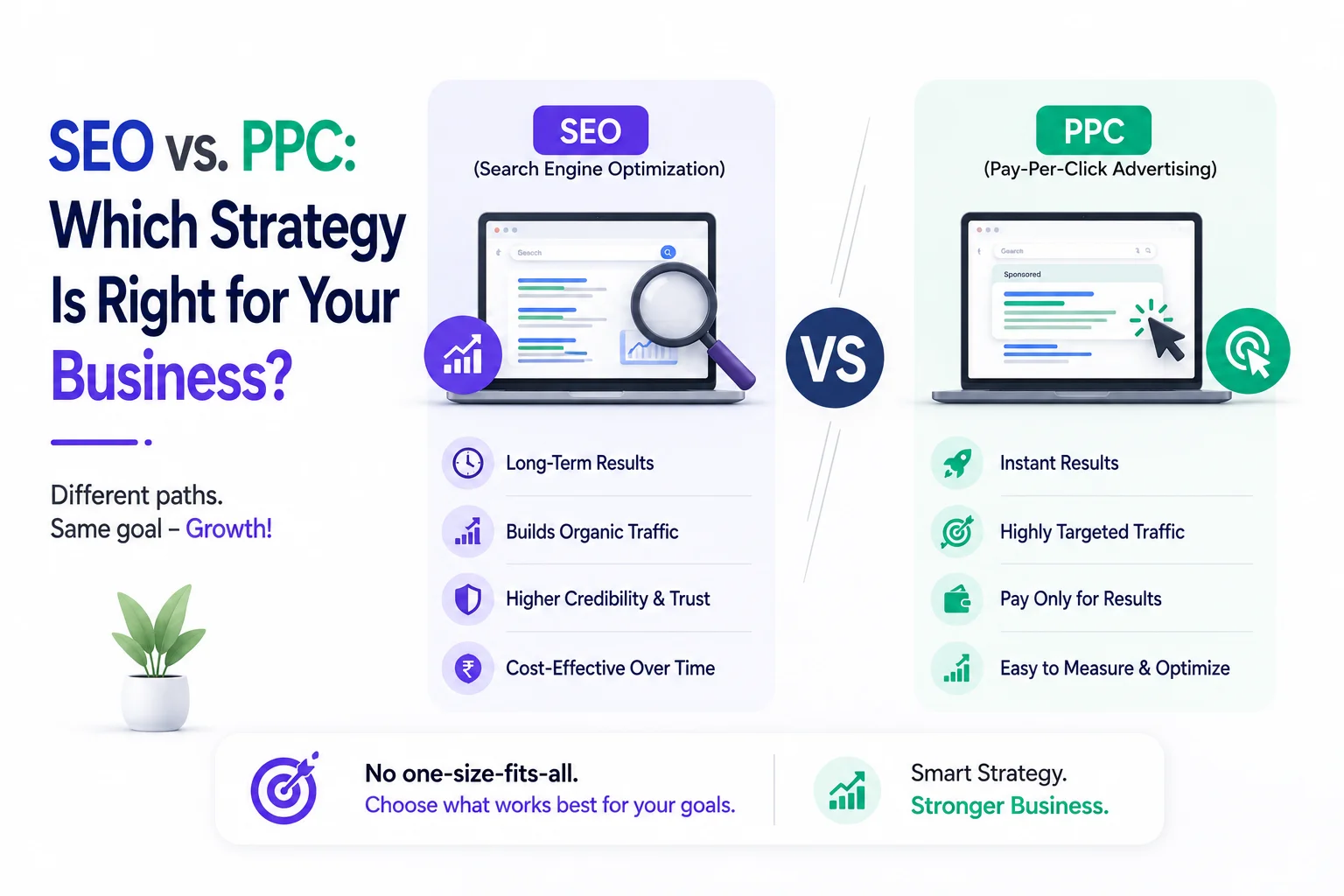
Businesses today have countless marketing strategies to choose from. So, among these, SEO and PPC stand out as two of the most prominent ways to drive website traffic.
However, both approaches carry real strengths and weaknesses. Therefore, understanding which one aligns with your goals, budget, and audience matters enormously. Below, here’s exactly how SEO and PPC compare.
Understanding SEO and PPC
First, SEO focuses on improving your website’s visibility in organic search results. So, it involves keyword research, content creation, on-page optimization, and link building, all working to increase quality traffic over time.
Meanwhile, PPC works differently. Instead of earning visibility organically, you pay a fee each time someone clicks your ad. Therefore, PPC delivers immediate results, unlike SEO, which takes real time to build momentum.
Comparing SEO and PPC
1. Cost
So, SEO requires upfront investment in content and optimization, but ongoing costs typically stay lower over time. Once you rank well, traffic keeps flowing without paying per click.
However, PPC costs scale with every click. Therefore, competitive keywords can escalate spending quickly, though you retain full control over your budget.
2. Timeframe for Results
Meanwhile, SEO results often take months to materialize. Because search engines need time to crawl, index, and trust your site, patience becomes essential.
On the other hand, PPC delivers traffic almost immediately. So, once your campaign gets approved, ads start appearing and driving visitors right away.
3. Sustainability
However, SEO benefits genuinely last. So, a well-optimized site continues attracting traffic even during quieter periods, though regular maintenance still helps.
Consequently, PPC traffic stops the moment funding stops. This way, PPC can create real dependency on continued ad spend for visibility.
4. Click-Through Rates
Additionally, organic search results typically earn higher click-through rates than paid ads. Because users often trust organic listings more, they click them more readily.
Meanwhile, PPC ads may see lower CTR, but they reveal valuable data on user behavior and keyword performance.
5. Targeting and Control
Finally, SEO targeting relies on keyword research and trends, making it somewhat less precise. Instead, PPC allows highly specific targeting, by demographics, location, and even time of day.
Which Strategy Is Right for Your Business?
So, choosing between SEO and PPC depends on several factors. If budget is limited but time is available, SEO often works better long-term. However, if you need immediate traffic and have the budget, PPC delivers faster.
Therefore, consider your timeframe too. Quick results favor PPC, while sustainable growth favors SEO. Meanwhile, in highly competitive markets, combining both strategies often works best.
Bringing It All Together
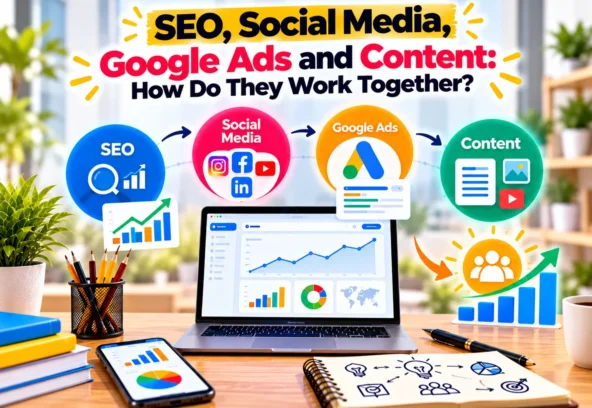
Ultimately, the best approach isn’t necessarily either-or. Instead, many successful businesses blend SEO and PPC together, letting each strategy’s strengths reinforce the other.
Ready to Choose the Right Strategy for Your Business?
At CreativeKatta, we understand the complexities of digital marketing, and we help you navigate the decision between SEO and PPC.
Contact CreativeKatta today for a free consultation, and let’s build a tailored strategy that drives traffic and boosts conversions.
Frequently Asked Questions
Q: Should a new business start with SEO or PPC? A: It depends on urgency and budget. So, if you need traffic immediately, PPC works faster; if you’re building for the long term, SEO offers better sustainability.
Q: Is it worth running SEO and PPC together? A: Often, yes. Because each strategy strengthens different parts of your visibility, combining both can help you dominate organic and paid search results at once.
Q: Which strategy offers better long-term value? A: SEO typically does. Since organic rankings continue driving traffic without ongoing ad spend, it usually delivers stronger value over an extended period.