

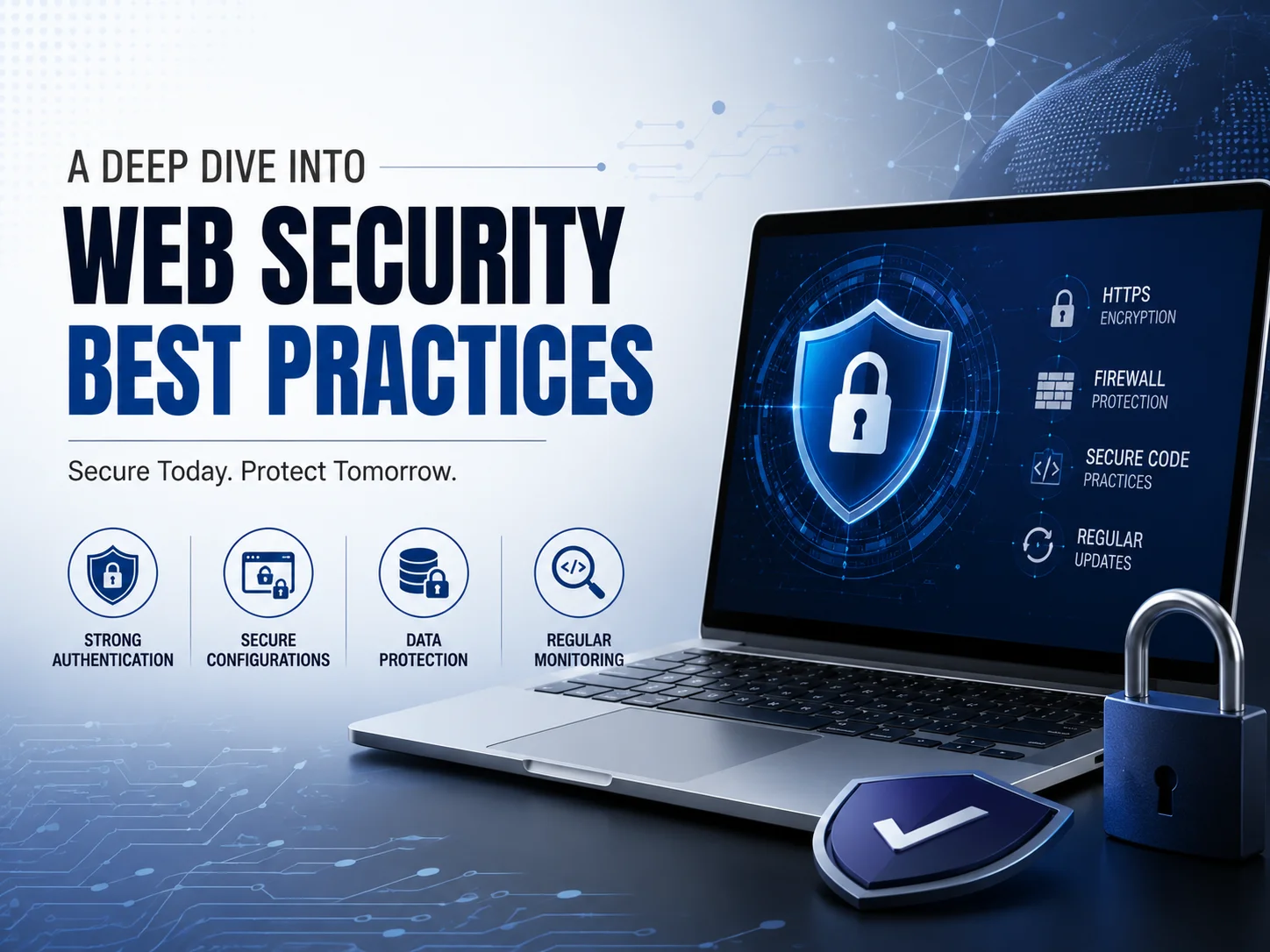
Websites act as digital storefronts today. So, when cyber threats rise, robust web security becomes absolutely critical. Because of this, protecting your site isn’t optional anymore; instead, it’s a core business responsibility.
Below, here are eight essential practices to fortify your website and safeguard your users’ sensitive data.
1. Implement HTTPS Encryption
First, HTTPS forms the foundation of secure communication. So, it encrypts data exchanged between a user’s browser and your website.
Therefore, sensitive details, like login credentials and payment information, stay confidential during transmission. This way, users can trust your site with their data.
2. Keep Software and Platforms Updated
Next, outdated software creates real vulnerabilities. So, regularly update your CMS, plugins, and other website software without delay.
Because cybercriminals often target outdated systems specifically, staying current works as a genuine, proactive defense.
3. Employ Robust Password Policies
Meanwhile, weak passwords remain a common entry point for attackers. Therefore, enforce strong password requirements for both users and administrators.
So, require complex passwords, regular updates, and multi-factor authentication. This way, you add a crucial extra layer of protection against unauthorized access.
4. Conduct Regular Security Audits
Now, don’t wait for a breach to check your defenses. Instead, schedule periodic security audits to catch vulnerabilities early.
So, thoroughly assess your website’s code, configurations, and server settings. As a result, you build resilience before attackers find a way in.
5. Secure File Uploads
However, if your website allows file uploads, extra caution matters. So, scan every upload for malware, and limit accepted file types.
This way, you significantly reduce the risk of malicious files compromising your site.
6. Back Up Your Data Regularly
Additionally, backups become essential during a breach or data loss. So, back up your website and user data consistently, on a set schedule.
Then, store those backups securely offsite. This way, recovery stays fast and reliable, even after an attack.
7. Use Content Security Policies
Furthermore, Content Security Policies help prevent common attacks, like cross-site scripting and data injection. So, by defining clear rules for content execution, CSP blocks malicious scripts effectively.
Consequently, this adds another strong layer of protection against unauthorized content.
8. Educate Your Team and Users
Finally, human error causes many security breaches. So, train your development team on secure coding practices consistently.
Then, guide users toward creating strong passwords and recognizing phishing attempts. This way, awareness becomes part of your overall security strategy.
Bringing It All Together
Ultimately, web security isn’t a one-time task. Instead, it’s an ongoing responsibility in today’s interconnected digital world.
So, by adopting these eight practices, you build a resilient defense, protect user trust, and safeguard your business’s reputation over the long term.
Ready to Secure Your Digital Presence?
If your website’s security needs a serious upgrade, CreativeKatta builds and maintains secure, resilient websites designed to protect your business and your users.
Contact CreativeKatta today, and let’s build a digital fortress your customers can trust.
Frequently Asked Questions
Q: How often should a website undergo a security audit? A: Ideally, quarterly or after any major update. So, regular audits catch vulnerabilities early, before attackers have a chance to exploit them.
Q: Is HTTPS really necessary for small business websites? A: Yes, absolutely. Because HTTPS protects data in transit and builds user trust, it’s essential regardless of business size.
Q: What’s the easiest first step toward better web security? A: Keeping software updated. Since outdated plugins and CMS versions are common attack targets, regular updates offer strong protection with minimal effort.